Thursday, March 30, 2017

Understanding the marma points in a person’s body

In Vedic philosophy, such as Siddha-Veda lineage that Dr Naram is a master of, the body holds vital energy fields. Positive energy and wellness can flow from these storehouses if one knows how to clear the blockage. Unlike traditional teaching, the marma points will not be found in organs such as the liver, lungs, or heart. Instead, these points can be found in the muscles, ligaments, veins, and joints. These points hold the three pillars of life or the doshas

Image source: Tes.com

The blockage of free-flowing energy can be due to many factors. If this goes on, it might cause illness. The solution to restoring the doshas to their balance is to clear the passages by touching the marma points. There are about 108 marma points in a person’s body. In ancient belief, these sites are believed to be where consciousness meets matter. By clearing these passages through therapeutic massage and other physical therapies, a person can be healed from many chronic and acute health challenges. Balancing the doshas through the marma points can also improve a person’s state of mind and emotions. 

As marmas are subtle places in a person’s body, most people are unaware of their need to be protected. Injuring these areas accidentally might not be physically painful but it can cause unusual sensations internally. As these points are located in the neck, back, chest, stomach, head, arms, and lower extremities, these areas must be protected. 

In this highly advanced day and age, it’s important to go back to ancient secrets in order to unlock the key to wellness. These days, being wholly healthy seems a feat for many but with the right knowledge and practices, one can attain the peak of well-being. 

Image source: Global-wellbeing.com

Dr. Pankaj Naram is a Master Healer and is an authority in Ancient Healing Secrets. Visit this page for more information on ancient healing secrets.

Tuesday, March 14, 2017

Keeping a Healthy Lifestyle On The Road

For many, changing to a healthy lifestyle requires a lot of unlearning and control. But once a person gets used to the new normal, he or she will begin to experience the advantages of choosing the healthy path. Unfortunately, there are many situations provoking a relapse to old habits. When traveling, sometimes people forgo the need to eat healthy. This should not always be the case. Here are some tips to help a person keep up with a healthy diet even while on the road:

1. Set a food allowance.

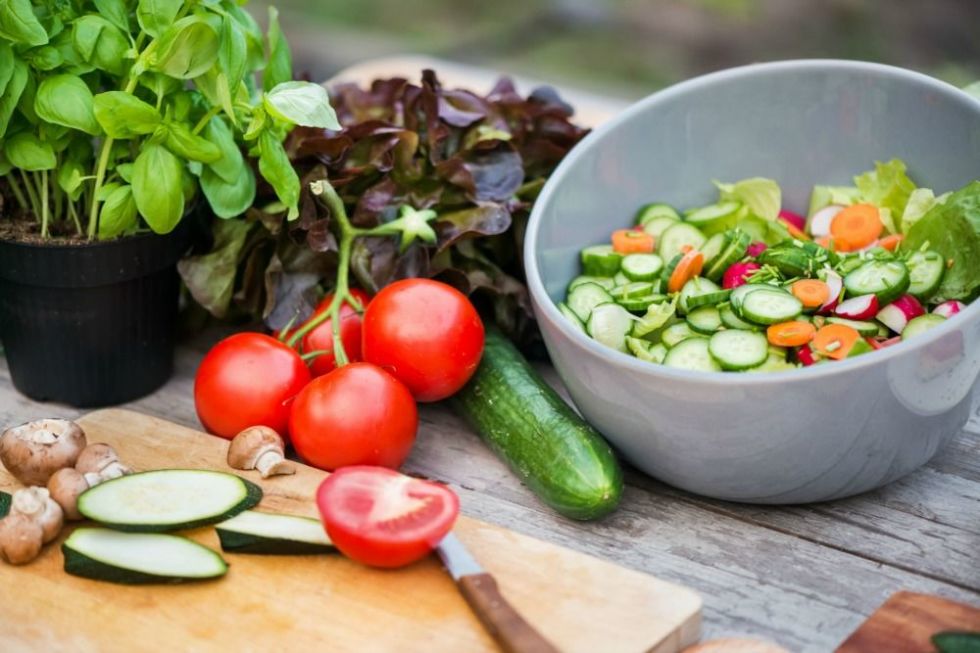
Most people plan on splurging when they travel. But healthy eaters who want to stick to their lifestyles even on vacation can set a budget for their food so that they wouldn’t be tempted to overeat or choose unhealthy foodstuff.

Image source: Mycity-web.com

2. Bring food and drinks.

For a road trip, it would help to bring a cooler that will keep food and drink fresh. Preparing the snacks may take time but it will be worth it. Most travelers don’t end up drinking the right amount of water while on the road, which is why it’s also important to bring water to prevent dehydration and other forms of travel sickness.

3. Plan meals.

Searching for healthy restaurants and grocers in advance will help a person maintain a healthy lifestyle throughout the whole journey. Instead of just choosing on the spot, including dining options as part of the itinerary will also save time.

Image source: Womansday.com
A healthy lifestyle can be maintained even when away from home. It requires a person’s willingness to prepare in advance and to go for food choices that will not be caloric afterthoughts.

Dr. Pankaj Naram has helped thousands of people around the world live better, healthier lives through his practice as a Master Healer of Ancient Siddha Veda secrets. Learn more about his work when you view this website.

Tuesday, January 10, 2017

The Differences Between Siddha-Veda, Ayurvedic And Siddha Medicine

Many people easily interchange Siddha and Ayurvedic medicine, and very few know the distinction between these two and Siddha-Veda. Those who practice alternative healing encourage more people to discover the essential difference between these.

First, the principles that guide Siddha and Ayurvedic medicine need to be discussed. Siddha medicine is built on "ventha marunthu vinnai theerkum" which means "cooked medicine cures illness." Treatments are made through fire of some degree or another. This process is called "pudam podarathu" in Tamil. In Ayurveda, dietary recommendations can sometimes be given raw. They follow the "pudum poodatha marunthu" guide which means that "it need not be treated in fire." So while both believe in the imbalance of energy centers as the source of illnesses and disease, Ayurveda can be considered a branch of Siddha.

Image Source: rediff.com
Siddha medicine is also a closed system. That is, Siddha healers believe that there are only 4448 diseases a human body can experience. Any "new" disease found by medical science is merely a sub-condition of their recognized list of ailments.

It is often asked which branch of these two medicines is "better." There is no right or wrong answer to this. Ayurvedic medicine is, perhaps, more well-known but its principles are still based on Siddha practices. Both branches believe in the duality of nature and the elements that constitute a human body. It is believed that the body manifests illnesses based on the type of imbalance they have within themselves. These are easily corrected with proper diet and exercise.

The third ancient healing system from India, is known as Siddha-Veda. The ancient Siddha-Veda lineage that Dr. Pankaj Naram was initiated into by his master Baba Ramdas and later chosen to lead it has additional distinctions. First, whereas you may be able to learn Ayurveda and Sidda medicine in a college or from a book, Siddha-Veda healers are only taught master to student. As such it is a lineage of practitioners who have gone deeper and deeper into the ancient healing art and science.

Image Source: googleplay.com
Additionally Siddha-Veda encompases healing beyond the body, as the masters learned the ancient art and science of achievement - helping people discover: 1) what they want, 2) how to achieve it, and 3) how to enjoy what they have achieved. Dr. Pankaj Naram was bestowed from his master with the ancient scriptures which contain secrets for the body, mind and emotions. Siddha-Veda is very powerful in helping with healing the body. And yet it also goes beyond the body as well.

Dr. Pankaj Naram received his doctorate in Ayurveda, but it wasn’t until he met his master Baba Ramdas that he discovered the unbroken lineage of Siddha-Veda, which was a step beyond anything he had ever learned. Siddha-Veda is the step beyond most other ancient healing practices like Ayurveda or Siddha medicine. Dr. Pankaj Naram is a doctor or “vaidya” of Ayurveda, but is also a true living master of Siddha-Veda, which many consider is a development beyond Ayurveda based on intensive deep practice.

Dr. Pankaj Naram has helped thousands of people live better, healthier lives through his practice as a Master Healer. Learn more about his work when you view this website.

Wednesday, December 14, 2016

How To Know If One Of Your Chakras Is Blocked

Chakras are energy centers in the body. There are seven of them, each representing an aspect of a person’s health. When one or more of these are blocked, people manifest ailments or conditions. Each illness corresponds to a blocked chakra.

Image Source: doctoroz.com

Visiting a master healer should yield an accurate diagnosis, but people can take note of a few common characteristics of a blocked chakra:

Pain or discomfort: Pain is the body’s way of saying something not right. Acute pressure can be a symptom of a medical problem, but chronic, numbing pain – particularly one that cannot be easily understood or justified – can be explained by a blocked chakra. Most people experience pain in the area where something is lacking. For example, those with a blocked heart chakra often experience heart burns or have problems with breathing.

Image Source: mindbodygreen.com

Numbness or coldness: This is the opposite of pain but nonetheless disconcerting. Humans are meant to experience life in all its vibrancy. The absence of feeling is also indicative of a blocked chakra. In this case, the body tries to defend itself from pain and as a result, cuts feelings all together. Some people can experience a cold or chilling sensation, as if they’re about to fall ill.

Pervasive thoughts of restlessness or hopelessness: The mind can pick up non-physical imbalances and try to bring it to focus so that help can be sought. This often leads to a person feeling restless or nervous without knowing why.

There are many techniques in unblocking a chakra, including physical activity, meditation, and energy healing. Remember that these exercises can take time, particularly if one’s chakra has experienced much trauma.

Dr. Pankaj Naram is a Master Healer and is an authority in Ancient Siddha-Veda. Learn more about his work when you visit this website.